Rhyming Words for Children
Rhyming words share the same stressed vowel sound and following sounds, as in cat–hat, night–light, and blue–shoe. Children can hear this match before reading, then sort sounds, learn word families, and create short verses. Begin with familiar one-syllable pairs, spoken before their spellings appear. Older learners can compare spellings, near rhymes, and rhyme schemes. These lists and games guide children ages 4–15 from listening and picture matching to reading, spelling, and creative writing.
📥 Rhyming Words for Children
Listen for matching endings, read useful pairs, and create your own rhymes.
Leave your email — we'll send the PDF to your inbox.No spam — the PDF plus one short reminder. Unsubscribe anytime.
Why Rhyme Matters for Early Reading
Working with rhyming words trains a child to separate the opening sound from a word’s ending. In cat and hat, the first sounds change, but -at remains. Recognising rhyming words shows attention to spoken English sound patterns. This skill belongs to phonological awareness, alongside hearing syllables and individual sounds.
This listening skill supports English reading development. A child who knows cake may spot the shared pattern in make, lake, and take. Many rhyming words share a written word family, so one secure pattern makes new words less daunting. Sound comes first because matching spellings can produce different pronunciations.
Rhyme expands vocabulary when children understand both words instead of repeating an empty pair. Show a picture, act out the verb, or place each word in a sentence. In LearnLink lessons, tutors keep early sets small and check meaning before adding more rhyming words. Six understood words are more useful than a long, quickly forgotten list.
A Quick Reference by Age and Task
Choose rhyming words by skill level, not birth year alone. A nine-year-old new to English may need picture matching, while a fluent six-year-old may enjoy building word families. Start with sounds your child hears and understands, then add reading or writing.
Treat the table as a starting point, not a test. Children learning English alongside other languages may understand rhyme in one language but need time to hear it in English. Let them listen to rhyming words, watch your mouth, and repeat each pair without changing their home-language accent.
Move forward when your child recognises most current pairs without pictures and produces one new example. No total is required. Secure use of a few rhyming words matters more than racing through a large set.
Word Lists from First Sounds to Creative Writing
School-age kids: start with short, concrete rhyming words they can draw or find: cat, bat, hat, mat; dog, frog, log; hen, pen, ten; pig, wig, dig; and duck, truck, luck. Say two words and ask, “Do they match at the end?” After recognition becomes steady, request one new rhyme. Nonsense answers may prove accurate listening, but teach real rhyming words with them to build vocabulary.
School-age kids: connect rhyming words to reading and spelling: rain, train, main, plain; cake, make, lake, take; night, light, right, bright; blue, shoe, glue, true; and bear, chair, care, share. Explain that some rhyming words share letters while others do not. Sets with silent letters, such as night and light, work best after the child knows the spoken words.
School-age kids: use longer rhyming words such as attention–invention, remember–December, creation–vacation, and delightful–insightful. Ask learners to mark the matching English syllables and decide whether each rhyme is exact or close. Older learners can replace predictable words, compare formal and informal choices, or explain how rhyming words shape a poem’s tone.
Common Animal Pairs in Useful Sentences
Animal names create memorable rhyming words because children can picture each animal and act out its movement. Start with three to five familiar pairs. Teach the partner word as carefully as the animal name; rhyming words should build understanding, not empty repetition.
Read each sentence and pause before its last word. Ask your child to complete it, then test another possible answer. This places rhyming words in meaningful language. If your child says mat instead of hat in the first sentence, accept the rhyme and check whether the sentence still makes sense.
Finish and Draw
Complete these prompts with rhyming words: “A cat in a ___.” “A mouse in the ___.” “A goat on a ___.” “A bee by a ___.” Choose one line, draw the scene, and label both matching objects. Older children can add a second line with the same rhythm.
Reuse the set throughout the week: listen and match, complete sentences, recall pairs without pictures, then invent a line. This sequence moves children from recognising rhyming words to using them independently.
How Children Hear Matching Endings
English rhyming words match from the final stressed vowel onward. Opening sounds may differ: cat and hat share -at, while chair and bear share an ending sound despite different spellings. Teach rhyming words by ear before displaying them. This prevents spelling from distracting from sound.
Contrast a correct pair with a near miss: fox–box beside fox–fish, or cake–snake beside cake–cup. Ask which pair matches at the end. If your child chooses by first letter, say, “Cat and cow start alike; cat and hat end alike.” Correct briefly, then repeat the rhyming words naturally.
Accent can change whether words rhyme, so model one accent consistently without labelling another wrong. Let multilingual children watch the speaker’s mouth and repeat comfortably. When pronunciation is uncertain, check the audio entry in the Cambridge Dictionary. Familiar rhyming words make stronger teaching examples than rare words selected only to complete a set.
Games, Verses, and Everyday Practice
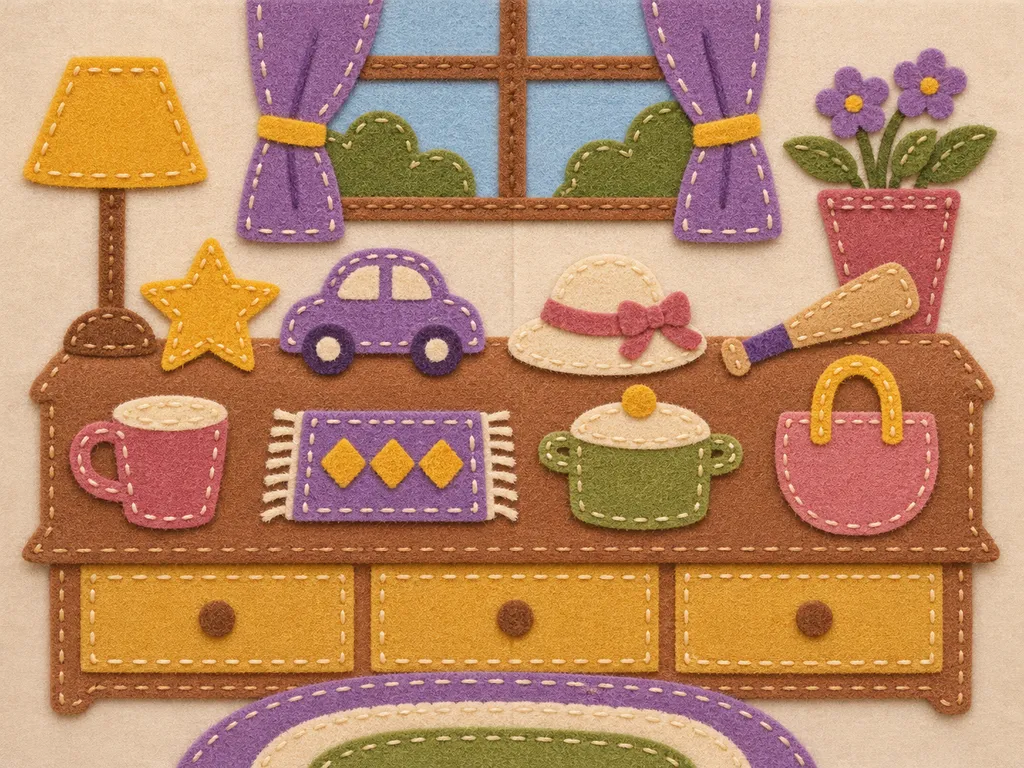
Short, repeated games focus attention on sound. For “Rhyme or not?”, say two words and ask for thumbs up or down. For a word-family race, give one starter and request as many rhyming words as possible in one minute. Use the timer for focus, not competition. Check each answer’s meaning and pronunciation.
Music and verse suit older learners. Pause after two familiar song lines and identify matching end words. Then write a two-line verse: “A quick brown fox / jumped over a box.” Check the rhyming words, then improve grammar, rhythm, and vocabulary. Teenagers can label AABB or ABAB patterns and compare exact with near rhyme.
Four Ways to Practise
Rhyme bag: draw one picture card and find its partner. Room hunt: move to the picture matching a spoken animal name. Sentence gap: cover the last word and predict it. Two-line challenge: write two short lines whose final rhyming words make sense. Give beginners pictures, independent readers written cards, and teenagers precise vocabulary.
Stop while the activity remains enjoyable. Next time, review known rhyming words before adding one or two pairs. If your child guesses, return to two spoken choices. Families can use English read-aloud books and pause before predictable endings. LearnLink tutors follow the same sequence: hear, understand, say, read, and use.
- Choose five rhyming words and say each pair during breakfast or cleanup.
- Read a familiar picture book and pause before each predictable rhyme.
- Clap once for matching sounds, then tap twice for nonmatching words.
- Create three silly rhyme pairs using toys, pets, or family names.
- Repeat favorite verses, inviting your child to supply the final rhyming word.
Frequently Asked Questions
When Should a Child Begin Rhyme Activities?
Begin oral rhyme play when your child enjoys songs, chants, or picture books. Letter knowledge is unnecessary. Use two familiar spoken words and ask whether their endings match. Keep practice playful and brief. After your child hears the match, add pictures; introduce printed words when reading begins.
What If My Child Cannot Hear Which Words Match?
Say one contrast, such as “cat–hat” and “cat–fish,” without showing the spelling. Let your child watch your mouth, repeat each pair, and listen again. Pictures reduce memory demands. If rhyming words remain hard, offer two choices and finish after several successes. Discuss wider speech or reading concerns with your child’s teacher or a qualified language specialist.
Do Matching Words Always Have the Same Spelling?
No. Rhyme depends on sound, not identical letters. “Night” and “light” share sound and spelling patterns, while “blue” and “shoe” rhyme with different spellings. Similar-looking endings may sound different. Say rhyming words before displaying them, then compare written forms. This order supports children using another language or writing system.
Can These Activities Help Older Children and Teenagers?
Yes, when tasks match their age and language level. Older learners can analyse rhyme schemes, compare exact and near rhyme, study accents, or write comic verse and short lyrics. Ask them to replace weak end words with precise choices. The goal shifts from recognition to control of sound, tone, rhythm, and vocabulary.
A short one-to-one lesson can show what level and pace fit your child — book a trial English lesson.
Stay updated on our latest tips and resources by following us on Instagram LearnLink.